carpet  

...


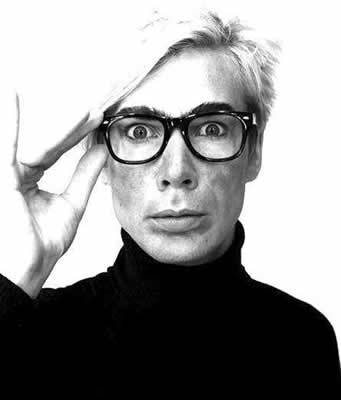
KIWA: multichannel meta-artist, blends the meaning of authorship on different levels

practice: gallery installations, texts/books, music/sound, curating, painting, video, performance, conceptual projects in media and public space make up one consistent text, a personal semiosphere, where one theme is expressed through different mediums

art: draws on pop-lifestyles and the counter cultures, cryptic texts, multimedia lectures, theories and practices in the field of micro-literature, pseudoidentities and )F#&?=!0ö:;. often described as "anarcho-pop", "metaphysical conceptualism" or "deconstruction of socio-symbolic net of current society"

recent appearances incl:
tallinn: nu performance festival, kumu art museum
bogota: black leather
manizales: theatre festival
nyc: the kitchen, yvon lambert gallery
london: tate modern, milch gallery
amsterdam: stedelijk, deappel
moscow: tseretely gallery
vienna: seccession
minsk: 1st electronic festival

partners/shared stage with incl:
alexei borissov, dopplereffekt, kap bambino, agf, signal, pomassl, mouse on mars, vector lovers etc

from 1995: 30 solo exhibitions in estonia, belgium, czech, poland. participation of over 100 exhibitions and festivals in europe and america

published: 3 books, compilation of estonian experimental literature

sound: started experimenting with sound in the late 80s, was involved some of the fastest punk-bands in the 90s and moved to the electronic sound around 2000. has been organizing the noise/sound-art platfom *metabor* and founded the festival of non-existent bands. beside hyper-optimistic robo-punk moniker kiwanoid, also plays improvisational solo lives, that stream from idealistic glitchy soundscapes to psycho-noise


full cv below

KIWANALYSIS

Kiwa (also KIWA, Ki’wa and Ki wa or Kiwanoid) belongs to the generation of artists who entered the art arena in the 1990s and whom the art critics have labelled as X, Y, E or TV generation. Aside from the active, as a rule deconstructible media image, the main characteristics of the generation in question could also be interdisciplinarity and intertextuality. A quote, pastiche, games of language and identity, (post)psychoanalysis and schizoanalysis were self-explanatory as artistic methods; an important place was also taken up by such keywords as conceptuality, simulacrum and absurd.

Kiwa is undoubtedly the most interesting and yet the most cryptic representative of his generation,in estonia, and it is hard to subject him to a generalising analysis. The traditional binary oppositions like reality and hyper-reality, morality and immorality do not apply in his works; instead he joins a certain kind of cynicism and (self)irony with infantility, which is what made him the favourite enfant terrible of the local media. All of Kiwa’s artistic practices – texts (articles, essays, poetry), visual art (sculpture, body painting, painting, video art, performance, installation) and his sound art or different roles as a curator, editor, model and society figure – make up one consistent text, a personal semiosphere, where one theme is expressed through different mediums. For this reason Kiwa has works which share the same title, but are carried to life in different mediums.

By schizophrenic means Kiwa unites the Warholean pop-ideology with the irrationality of the Beuysian ritualistic action art, with the shaman-like pursuit for the origins of the world. Although the artist himself has summed up his artistic practice as “relating to the pop-culture of today”[, the phenomenon of Kiwa means more than just the subjective encyclopaedia of contemporary pop-culture. Year after year his art becomes less a “by-product of a lifestyle”, developing into an autistic-hermetic (sub)-discourse.

In the creative biography of Kiwa, the member of the scandalous punk-rock band Nyrok City was touched by a ‘change of paradigm’ in the middle of the 1990s: moving from punk-ideology to the manifestation of the club culture and sound experimentalism, Kiwa associated himself with the ‘soft’ visual language of the art radicals of the conceptual level and pop-culture, which he nevertheless started to undermine from the inside. The series Kings of Pop (1996) deals with the imagology of pop-culture, but creates only intrigues and disappointment – a random club-goer with his personal problems could become a king of pop.

In the Estonian context Kiwa is generally associated with the wave of trans-pop of the 90s, which has been defined through self-irony, mass-culture, glamour and other characteristics of a society going through a transition.The rather brutal crowd of artists, who organized road exhibitions and experimented with different alternative formats, Kiwa was indeed the most ‘pop’. Mixing the terms of ‘high’ and ‘low’ art, Kiwa operated with the aesthetics of kitsch, camp and advertisement. He made flyers to his exhibitions and performed with a DJ set at the openings and this shifted the discourse of art exhibition into the rhetorics of (para)disco.

Manipulating with the media fell into the same strategy. In a certain period of time Kiwa was a ‘social sculpture’ (on the model of Beuys’ term), constantly appearing in the writing press; leaving his mark everywhere was conceptualized by him as ‘media graffiti’. Posing as a model, Kiwa called upon the narcissism of the fashion world and even created a pseudo fashion collection, 12 Alter Egos (2001). His video 0,1980: My Dream Pop Star (2003) also dealt with the mythology of superstars and the idols of the masses, the example in the Estonian context being A Anne Veski.

Kiwa touched parallelly both subcultures and political art, impersonating the antihero of his time, the ‘anarcho-popper’. In Graffiti Patrol (1998), an artistic action meant to sabotage the politics of joining the European Union, the artist, dressed as a street hooligan, harassed a representative of the European Commission, wishing to make a graffiti on the House of the Representation of the European Commission in Tallinn (remember, Estonia did not join the European Union until in May 2004). The same theme was reflected in a performance with Ene-Liis Semper, done on commission by the Bank of Estonia, Holy Union (1999), where through the body narrative of stunt fliers the symbolic union of the Estonian crown and the common currency Euro was performed – the artists, hanging upside down, were dipped into paint containers and then into shredded money.

Kiwa has used graffiti in another key as well. His video and performance Work in Progress (1998) proceed in a Zen-like way after the same schema – dressed in a kimono, Kiwa is writing pseudo-hieroglyphs with a spray paint and in the end disappears into his picture. Yet the artist’s goal was not to admire the traditional Japanese culture, but to play through the superficial clichés of the Western society. In another way, through the psychedelically arbitrary associations the theme of Japan is reflected in Kiwa’s works of girl-art, which adopt the visual language of the local pop-culture, but also of the ‘international’ child pornography. Teenage Japanese girls in school uniforms, skinny legs, miniskirts, ballet shoes and dolls become as objects of fetishism on these pictures. Kiwa paints poetic images as well as frivolous characters and provokingly erotic, almost pornographic pictures; the expressive Bad Painting holds an equal place next to the ‘flat’ pop-like iconicity.

One of the sign-like symbols of the era is the nymphette[vii] – a little princess in a tender age, who for Kiwa is the embodiment of the iconic (belletristic) characters of Alice and Lolita[viii]. Through an ambiguous play scene, Kiwa’s video Da Girl is Rockin (1998) demonstrates the subconscious sexuality hidden in a little girl – the interpretation of the rockin’ girl depends on the corruptedness of the viewer. In the painting Self-Portrait as a Japanese Chick (1998) and the video Pink (1999) the artist embodies a child-woman on a swing, provokingly taking frivolous poses.

The playing through of gender roles leads us to Kiwa’s cultivated androgyny. Claiming that “the age of innocence is over”, he blemishes the taboos of the welfare society and shifts the current moral criteria with the tawdry codes of sex industry. Yet at times the sad wonderland in his works simply reveals an “escapist yearning for the (imaginary) idyllic world of girls”[

The several years old multimedia project Metabor (since 2000) – Kiwa’s goal being to capture a certain ‘primal sound’ – also has an escapist and utopist flare to it. Metabor serves as the laboratory of experimental electron music, in the “boreal sound landscapes of which, recorded at situationistic meta-rituals”[xi], art crosses the border – creating a total environment through the union of sound and space, which are added to by video, text, kinetic objects and performative elements. The result is the synthesis of all mediums, Gesamtkunstwerk, a total cosmopoetic experience. In that, the word ‘metabor’ is formed through the incantation ‘mutabor’ (a form of ‘change’ in Latin), found in the fairy tale Kalif Stork by Wilhelm Hauff and also in Hermann Hesse’s novel Steppenwolf, on the door of the magic theatre.

This is aimed at creating a psychedelic, paganistic, (techno)shamanist state. Although this kind of ‘secular trance’ is primarily about an aesthetic pleasure, it could lead to a shift in one’s perception – and in this sense ‘metabor’ is the magic word for preparing for meta-metamorphoses. ‘Metabor’ also refers to ‘boreality’, to Nordicity. One of Kiwa’s keywords, ‘boreality’ most directly coincides with the mythological Norse, yet it also involves a linguistic relation with the nonexistent nation of the Hyperboreans from Greek mythology.

The idea of capturing primal sound finds parallels with Kiwa’s verbal texts, or rather in the method of writing them – writing down thoughts, sentences, associations which have come to him in his dreams or just randomly; and thus psychedelic automatic writing is born. Kiwa also uses excerpts from the texts of other authors, which he ‘recognises’ as belonging into his books. The result is a peculiar palimpsest – for example in his book Metabor we find fragments from the texts of the designer Kaarel Kurismaa among Kiwa’s writings – which further dissolves the concept of authorship and creates new shifts. Kiwa’s linguistic games for creating neologisms are also based on the same principle of layering: the goal of creating a seemingly accidental mistake is to create a new word (metabor), to shift a familiar meaning[xii]. The hypothetical language is based on glossolalia – the dictionary defines this as ‘yelling of meaningless word in a (religious) frenzy’, but in Kiwa’s case this could rather recall the ‘predictions’ of the oracles of Ancient Greece, uttered in a trance, in which skilled interpreters saw the message of God, thus creating meaning out of fragmental unarticulated speech acts. The analogue of such a process in the art of sound is glitch – a creative method based on the aesthetics of errors.

The phenomenon of mythologizing and individual mythology is reflected through several layers in Kiwa’s works. The simplest example is Kiwa’s autobiographical myth, the construction of his media image. Next to the mystifying act the production of fictions takes place. In Kiwa’s case the examples could be: his curatorial work with the exhibition Young British Art (2000) with fabricated art celebrities, running of the nonexistent record company yO-yO Records and organizing the Festival of Nonexistent Bands with fictitious bands (. Kiwa is shifting meanings, giving several names to the same work, signing works with a wrong date and constantly inventing himself new alter egos. The Estonian cult film Hotel of the Dead Alpinist (1979), directed after the sci-fi novel by Boriss and Arkady Strugatsky, inspired the sound and text project (2004), which came to be associated with the name Olaf Andvarafors. In the image of Olaf Andvarafors, Kiwa combines several characters from the film – his Andvarafors is the hybrid of the robot (Olaf) and the alien (Luarvik Luarvik)[xiii]. As an artist Kiwa enjoys illusoriness and imaginariness; for him paradise is “the greatest existence of possible worlds per cube centimetre”[xiv].

Kiwa’s personal world with its private language as well as personal iconography forms an even more complex system. Kiwa’s auto-mythology, the projecting of self into his works and his self-portraits in hundreds of hypostases are powerfully articulated. Indeed, one of his doppelgangers postulates: “I am Olaf: all is Olaf.”[xv] It is significant how he semantically expands his main pseudonym to denote his artistic practice: ‘Kiwa’ brings to mind the word ‘stone’ in archaic Estonian language[xvi], and lately he has been interested in the idea of the sound of stone; Kiwa’s dislocated reality has also given birth to his electro-punk alter ego Kiwanoid.[xvii]

In the case of Kiwanoid, the UFO mythology of the 20th century is also reflected: once again – science fiction. In addition, Kiwa is applying the symbols of the mythologized world of technology in his trivial consciousness: the machine of metabor is capturing primal sound; the robot is generating texts, which shift reality, etc. From the bulk of cultural-mythological reminiscences, the sailor’s shirt is also worth mentioning – Kiwa has worn it himself and has also painted it on his characters. The shirt is a reference to the androgynous character from Thomas Mann’s short story Death in Venice (1912) as well as to the sentimental sea romantics of the 1980 Summer Olympics Regatta in Tallinn, which became to be the republic’s peak event and could also be taken as the deconstruction of the archetypal symbol of the good child. Several motifs carry the potential of metaphor in Kiwa’s works. The swing and a virgin, a Lolita-nymphette flaunting with her innocence are associated with fertility and the symbolics of the reproduction of the human kind. Yet the sexual undertone remains but a single part of the semantic field of these motifs, because a big role has been devoted to the prophetic power of the ‘virginal alternate perception’[xviii].

The art of Kiwa is a labyrinth, or rather a labyrinth in a labyrinth. The labyrinth is like a (personal) universe, the model of which lies in Jorge Luis Borges’ story The Library of Babel (1941). References to this can be found both in Kiwa’s texts as well as in his painting Marianne Ravi (2003). In the context of religious semantics, moving towards the central point of the labyrinth traditionally symbolised returning to the Spirit[xix]. Kiwa’s works are saturated with references to the lost Paradise and the Arcadia of little girls, with efforts to restore lost innocence and wholeness, which come forth in the primal sound, located in the centre of the magical circle, and in the absolute beginning of the state of ‘freak zero’. The motif of the butterfly as the symbol of soul and reincarnation is also referential to a symbolic return[xx]. The image of a butterfly actually fits the best to signify Kiwa’s artwork – what appears to be two-dimensional, beautiful and frivolous, could turn out to be a substantial signifier.


Elnara Taidre

This text is a sample from book Estonian Artists 3 published by Estonian Contemporary Art Centre 2007)


CV

SOLO EXHIBITIONS

2010
Wildlife Documentaries (Draakon gallery, Tallinn)

2009
High on Nothing (Kumu Art Museum, Tallinn)

2008
High on Nothing (Art Depoo Gallery, Tallinn)

2007
Labyrinth and the Paths of Eternal Return (with Tõnis Vint, Rael Artel Gallery: Non-Profit Project Space, Tartu)

2004
Hlör U Fang Axaxaxas Mlö /sound installation/ (Rael Artel Gallery, Pärnu)
How Are Connected Displacement & Machines of Purity /installation/ (with Tillamook Cheddar, Beauliau Gallery, Gent, Belgium)
Illegal Antistyle /paintings/ (Vaal Gallery, Tallinn)
freak null /paintings, installations/ (City Gallery, Tallinn)
I'm a Quotation /photo & sound installation/ (with A. Lõo & M. Kleis, Y-Gallery, Tartu)

2003
Here&Further: Remarks by Author /paintings, digital prints/ (Theatre Gallery, Pärnu)
Freaky Zero /paintings, installations/ (Kondas Centre, Viljandi)

2002
LAP /paintings, video/ (Raatuse Gallery, Tallinn; Kilpkonna Gallery, Viljandi) PostPsychoAnalysis&HebephrenicSchisophreni /paintings, installations/ (Tartu Children’s Art School Gallery, Tartu)

2000
Yo-Yo Club /enviroment/ (Tallinn)
Club Oasis /video installation/ (Waldhof Music Factory, Pärnu)
Notes on Girl–Art /paintings, graphics/ (Von Krahl’s window gallery, Tallinn)
Dream of a Provincial Girl /video, digital prints/ (with J. Zoova & T. Laamann, Sopot, Poland)
Spring Disco /paintings, installations/ (with Jasper Zoova, City Gallery, Tallinn)
Nu Neurotik Naivism /video installation/ (with Anneli Nygren, Tartu Artists’ House, Tartu)
Regatta Borealis /mixed media/ (Damtan Dance, Tartu)

1999
Dessanta /paintings/ (Vaal Gallery, Tallinn)
New Video Installations (with Ene-Liis Semper, Sebra Gallery, Tartu)
Estonia as a Sign /performance, installation/ (with Jasper Zoova, Estonian Embassy, Prague)
Do U Know Where Estonia Is? /site-specific installation/ (with Jasper Zoova, Toompea, Tallinn)

1998
Muzik at Vremja of my Võhod /paintings/ (Raatuse Gallery, Tallinn)
CircleSoul /video installation/ (with Ene-Liis Semper, Sebra Gallery, Tartu)

1997
Bizarre Twist /photo installation/ (Roheline Salong, Pärnu)
Regatta /paintings/ (Raatuse Gallery, Tallinn)

1996
Lollipop Fiction /sculpture, music/ (with T. Aaliste & E. Frosch, Rüütli Gallery, Tartu)
100 yrs of Loneliness /sculpture installation/ (Gallery “Jaani Juures”, Tartu)
Optimists /sculpture installation/ (Tartu Art School, Tartu)
Everlasting Disco /sculpture installation/ (Toompea Art Gallery, Tallinn)

1995
Ekshibitsioneerimine /sculpture, sound/ (with T. Aaliste, Tartu Art School, Tartu)


SELECTED FESTIVALS AND GROUP EXHIBITIONS OUTSIDE ESTONIA

2009
Saison Video (Lille, France), Zone (Seccession, Vienna, Austria), First Experimental Music and Media Art Festival (Minsk, Belorussia), Manizales Theatre festival (Manizales, Colombia), Photophobia 2 (Kaliningrad, Russia)

2008
Plaisirs de l'imagination (Chateau de Tours, Tours, France); Paradise Is Not Lost (Tseretely Gallery, Moscow Museum of Modern Art, Moscow, Russia), Prague Theatre Festival; Montreal Theatre Festival

2007
Agadir Theatre Festival (Agadir, Morocco); SKIF festival (Peterburg, Russia)

2006
New Video New Europe (The Kitchen, New York); europART – 25 Pieces (Vienna); Radius–Festival (Salzburg); Eye of the Storm (Dale); Festival of Experimental Art (Maneezh, StPetersburg); Pixelache festival (Helsinki)

2005
Klangwald / La forêt des sons (Riga); THRUST – The 26th Biennial of Graphic Arts Ljubljana; Radius–Festival (CAT/MAK, Vienna); Radiodays (DeAppel, Amsterdam); New Video New Europe (Stedelijk Museum, Amsterdam); New Video New Europe (Contemporary Art Museum St. Louis)

2004
Psychic Landscapes (Yvon Lambert Gallery, New York); A Classic and an Absolutely New Thing (Rum46, Arhus); New Video New Europe (Tate Modern, London); New Video New Europe (Renaissance Society/Chicago University, Chicago); Electrodienos Unidentified Sound Objects (Vilnius)

2002
ArtGenda (Hamburg); Centre of Attraction VIII Baltic Triennal of International Art (Vilnius); Kinoshok (international film festival, Anapa);

2001
Nyyd Estonian Malady (Lissabon); Supervision (Moscow–Juzhno–Sahhalinsk);
Smog Conference (Hamburg); Estonian Culture (Antverpen);

2000
ArtGenda (Helsinki); 10 paar (Belgium); Loop (Arsenals museum, Riga); Central Station (Milch Gallery, London); Grosse Kunstausstellung 2000 (Düsseldorf);

1999
Kapuum99 (Turku); Private Views (Budapest); Video Archeology (Sofia); West–East Sofa (Frankfurt); Message from East (Frankfurt); Aperto Estonia (Flash Art magazine virtual exhibition)

1998
X-Change Unlimited (Riga)

1997
Plankevaerk (Samso)


SELECTED FESTIVALS AND GROUP EXHIBITIONS IN ESTONIA

2009
NU performance festival (Kanuti saal, Tallinn), Pop Art Forever (Kumu Art Museum, Tallinn), Crisis (Roterman Consumer Centre, Tallinn), Backscratching... (Shah club, Tallinn), Floromany (Kumu Art Museum, Tallinn)

2008
Boypainting from Tartu (Haapsalu); Kultuurikatapuldid (Haapsalu); Fluxus East (Kumu Art Museum, Tallinn), Stiilne Viisnurk (Tallinn City Gallery), Hare Weihnachten (yGallery, Tartu)

2007
Eclectica festival (Tartu); Plektrum festival (Tallinn); Kultuurikatapuldid (Haapsalu); Ambientradio Allikas – Voices of Sleep (www.allikas.konverter.ee)

2006
Ambientradio Allikas – Music For Plants (www.allikas.konverter.ee); Lätete pääl (Massiaru); KTI Talvefoorum; Collected Crises, Kumu Art Museum, Tallinn; Eclectica festival (Tartu); Plektrum festival (Tallinn); Sex (Vaal galerii, Tallinn)
2005 Living Sculptures (Tallinn Art Hall, Tallinn); Dance:Fashion:Performance (Tartu Sadama Theatre); T.V.O.D. (Veerevad Kivid, Tartu); Voices (Rottermann’s Salt Storage, Art Museum of Estonia, Tallinn, Tallinn); New Estonian Art (Võru Kultuurimaja, Võru); Eclectica (Tartu)

2004
Sound+Vision (Tartu–Mooste); Eclectica (Tartu); DSP event (Kesselaid); ISEA2004 (Tallinn); Artist & the Other. Annual Exhibition of Estonian Artists' Association (Tallinna Kunstihoone Gallery, Tallinn); Rehabilitation. Annual Exhibition of Estonian Artists' Association (Hobusepea Gallery, Tallinn);

2003
Screensaver (Tallinn Art Hall, Tallinn); The Clash of the Civilizations (Pärnu Concert Hall, Pärnu); performing art festival of 9th march (Pärnu Concert Hall, Pärnu); Chart (Hobusepea Gallery, Tallinn); Time Space Movement, performance art festival (Paide); Night of performing arts (Tartu Children’s Art School, Tartu); Childhood (Tartu Art Museum, Tartu); Raster 8 / from Koeler to Kiwa (Tartu Art Museum, Tartu); Last Hero (Rottermann’s Salt Storage, Art Museum of Estonia, Tallinn, Tallinn)

2002
8. Pärnu Fideo- & Vilm Festival (Pärnu); 2. Nordic poetry festival (Tallinn); Cinematheque Vivante/Living Cinema (Port Artur, Pärnu)

2001
Young British Art (Tallinn Art Hall, Tallinn); Maning (Rottermann’s Salt Storage, Art Museum of Estonia, Tallinn, Tallinn); ERKI fashion show (Kino Kosmos, Tallinn); City Culture Festival (Tallinn)

2000
Aids in Culture. Losing Immunity in Art (Rottermann’s Salt Storage, Art Museum of Estonia, Tallinn, Tallinn); Small role-plays for the XXI century (Tartu Artists’ House, Tartu); 10 paar (Kuressaare); City Culture Festival (Tallinn)

1999
Artificial IDs / Dionysia (Tartu Artists’ House, Tartu); Annual exhibition of the Estonian Artists’ Association (Tallinn Art Hall); Time Space Movement III, performance art festival (Paide); Tallinn Black Nights Film Festival (Tallinn); Backdoor Media II (Tallinn); To the Memory of the 20th Century Artist (Art Museum of Estonia, Tallinn); Media Non Grata offline@online media art festival (Estonian Academy of Arts, Tallinn); Interstanding 3 – Beyond the Edges (The Museum of Estonian Architecture, Tallinn); Space & Form 2000 (Tallinn Art Hall, Tallinn)

1998
Speed II, road exhibition; Annual exhibition of the Estonian Artists’ Association (Rottermann’s Salt Storage, Art Museum of Estonia, Tallinn); Time Space Movement II, performance art festival (Paide); All Together Much & Now (Rottermann’s Salt Storage, Art Museum of Estonia, Tallinn, Tallinn); ElektroKardioGramm, performing arts environment (Rottermann’s Salt Storage, Art Museum of Estonia, Tallinn, Tallinn); Artist Kills the Beast (Museum of New Art, Pärnu, Pärnu); [meta]dialogue (Tammsaare Museum Gallery, Tallinn); Private Views, SpaceRe/Cognised in Contemporary Art in Estonia & Britain (Rottermann’s Salt Storage, Art Museum of Estonia, Tallinn, Tallinn); ERKI fashion show (Tallinn); International video & new media festival offline@online (Tallinn); Tallinn Black Nights Film Festival (Tallinn); Backdoor Media (Tallinn)

1997 Speed / Dionysia, road exhibition (Tartu); Annual exhibition of the Estonian Artists’ Association (Rottermann’s Salt Storage, Art Museum of Estonia, Tallinn); Time Space Movement I, performance art festival (Paide)


SELECTED CURATORIAL ACTIVA

2009
N0 Wave, Vaal gallery, Tallinn
Gray Signal, Vaal gallery, Tallinn

2008
1 reality 1 error, Vaal gallery, Tallinn

2007
From Text to Machine, Rael Artel Gallery: Non-Profit Project Space, Tartu
the series of exhibitions of young art (galerii 008, Tallinn)
Audiogallery (different locations)

2005
Museum of Sleep / Uinuv Muuseum (Rottermann’s Salt Storage, Art Museum of Estonia, Tallinn, Tallinn)

2004
Interdisciplinary Salon (with B. Vaheri & A. Keiliga)

From 2002
Festival of the Nonexistent Bands / Cabaret Derrida www.nihe.ee (Rotermann’s Salt Storage, Tartu Sadama Theatre, Von Krahl’s Theatre, TV3 live, club Võit, Sakala centre, Kultuurikatel, Estonia, from 2005 with Fabrique), www.looming.org / 1+1=1 (with H. Soansi & A. Lôo)

2001-04(?)
Metabor – platform for sound, room and multimedia (with Andres Lôo, Tallinn)

2001
Young British Art (with Hanno Soans & Anders Härm, Tallinn Art Hall, Tallinn)

1999
Backstage of Fashion / F.A.S.H.I.O.N. (with Ene-Liis Semper, Rotermann’s Salt Storage, Art Museum of Estonia, Tallinn)


SELECTED PERFORMANCES

2008
Body Without Paradox (Haapsalu)

2007
Lens of Text: The Feeding Milk of Mother Heroine presentation performance (with pop-group Miip and the authors, Kumu art museum, Tallinn); Beside of the Membrane (with Chanel Dior and Maria Ader, Von Krahl theatre, Tallinn)

2006
Lens of Text: The Feeding Milk of Mother Heroine presentation performance (with Fabrique and the authors, Eclectica festival, Tartu)

2005
No Fur (with Chanel Dior and Maria Ader, Tartu Sadama theatre, Tartu; Von Krahl’s Theatre, Tallinn)

2004
untitled (Club Tallinn, Eclectica2004, Tartu); Mind ei ole (Tallinn Art Hall Gallery, Tallinn)

2003
ans. Motogirls (performing arts festival Time Space Movement, Paide); /---/ (Night of performing arts, Tartu Children’s Scool gallery, Tartu)

2002
performance for the leading estonian populist party (with E. Kampe, Tallinn); Displacement in Reverse;Plateau of Mirror+-pii (with E. Kampe ja A. Lõo, Spirit cafe, Tallinn); Short History of Popmusic (Cafe Keese, Reeperbahn, Hamburg); Pseudofashion Performance (with K. & N. Carpenko, Club Adorator, Hamburg); Sounds of Northern Lights (with Reproducts, Schiller Opera, Hamburg); Is this what u call 'indie'? (gay-klubi Nightman, Tallinn); Festival of the Nonexistent Bands (Rottermann’s Salt Storage, Art Museum of Estonia, Tallinn, Tallinn)
2001 Analogue Overdub (the closing of the last analogue telephone station in Tallinn); 12alterego. Pseudofashion presentation (ERKI fashion show, ‘Kosmos’ cinema, Tallinn)
2000 Snow White (with J. Zoova & P.M. Olowskaga, Club Difference, Tallinn); Videodisco/Flashbax I–III (with J. Zoova, Enter, PÖFF, ArtGenda); 12 Fireplaces (with J. Zoova, Tallinn); Androgen Day (Tallinn Art Hall Gallery, Tallinn); A is for alfa (with A. Lôoga, Radisson SAS, Tallinn)

1999
Holy Union, performance for the Bank of Estonia (with E.-L.Semper, M. Laar, V. Kraft and S. Kallas, Maardu); Videodisco. The Best of Nervous Cowboys (with J. Zoova, Võitlev Sõna, Tallinn); Estonia as a Sign (with J. Zoova, Karl’s bridge, Prague)

1998
Work in Progress (Rottermann’s Salt Storage, Art Museum of Estonia, Tallinn, Tallinn); Conceptual Sandwich (Kanal 2 TV, Tallinn); Graffiti Patrol (Riga)

1997
I Got Love in my HeArt (Paide performing arts festival); Coca-Cola (with H. Soans, Tallinn);

From 1997
social sculptures&actions in Estonian media&public space,various audio & text performances/lectures, total media project Media Graffiti


SELECTED SOUND/AUDIO/ELECTRONIC PERFORMANCES

2009
Zone (Seccession, Vienna, Austria), First Experimental Music and Media Art Festival (Minsk, Belorussia), Black Leather (Bogota, Colombia), Secret Room (Tartu Writers' Union, Genclub, Tartu)

2008
w/ Alexey Borissov (Tseretely Gallery, Moscow Museum of Modern Art, Moscow, Russia); Popdada Deluxe (Tartu); w/ Dopplereffekt (Tartu)

2007
SKIF festival (St Petersburg); Kultuurikatapuldid (Haapsalu); Discoordinated, Eclectica (Tartu); Ambientradio Allikas (Viljandi)

2006
Nordic Artists Centre (Dale); Radius festival (Salzburg); Artists’ House (Tartu); Ambientradio Allikas (Viljandi); Rus Klub/Viennale festival (Vienna); Festival of Experimental Art/Maneezh (St Petersburg), Pixelache festival (Helsinki)

2005
Klangwald / La forêt des sons (Riga); Radius–Festival (CAT/MAK, Vienna); De Appel/radiodays (Amsterdam); Museum of Sleep (Rottermann’s Salt Storage, Art Museum of Estonia, Tallinn, Tallinn); Looming.org presents:Mootor (Von Krahli theatre); Eklektika festival/with Sven Grünberg (St Peter’s church, Tartu); Time Free Day (The Museum Of The Ocupation Of Latvia, Riga)

2004
Sound+Vision Festival (Tartu Artists’ House, Tartu); Electrodienos Unidentified Sound Objects (CAC, Vilnius); with Broken Machines (Ze dos Boys, Lissabon); Audio Machines of Purity (Gallery Beauliau, Gent); 0laf Andvarafors project (performing arts festival of 9. march); Metabor:panoraam (Multikultuurimaja, isea2004, Tallinn)

2003
Metabor: chakra trust (Viinistu Art Museum, Viinistu); performing arts festival of 9. march (Pärnu Concert Hall); Time Space Movement, performance art festival (Paide); Abstract Machine (Kondas centre, Viljandi)

2002
Art Genda (Pudel club, Hamburg); 2. Nordic Poetry Festival (Spirit cafe, Tallinn); Venus on Soma/ performing arts festival of 9. march (Ugala, Viljandi); Unestapja (with A. Lôo & Kärt O, Raatuse Gallery, Tallinn); Unestapja (with MC Basquiat, A. Lôo & Kärt O, Kullo Gallery, Tallinn); Avaramalt (with A nagu alfa’ga, Gallery of Estonian Academy of Arts, Tallinn)

2001
Nyyd Estonian Malady (Gallery Ze dos Boys, Lissabon); Smog Conference (Hamburg); Metabor:esimene lend (with K. Kurismaa, Martin & Masin, Endla st previous hospital, Tallinn); Metabor (with K. Kurismaa, A. Lôo, pOrt’i, Martin & Masin, Dvigatel factory, Tallinn); Metabor:Alfaplateau (with K. Kurismaa, A. Lôo, pOrt’i, Martin & Masin, Maarjamäe memorial complex, Tallinn); Metabor:Boreaalsolaarium (with K. Kurismaa, A. Lôo, pOrt’i, Martin & Masin, icebreaker SuurTôll, Tallinn); Unestapja (with A. Lôo, Von Krahl’s theater, Tallinn)


BOOKS

Lens of Text: The Feeding Milk of Mother Heroine (compilation of estonian experimental literature, scouter-compiler) Tartu: ID Salong, 2006

Ki wa. Metabor: skid mark of the force before the shape. Tartu: Bookmill, 2005

Ki:wa. Way of the Robot is Shift/The Secret Void. Tallinn: Estonian Art Museum, 2004

Kiwa. Toys Escaping from Childrens Hospital. Tallinn: Society for Estonian Language, 2002


SELECTED LECTURES/TEXT PERFORMANCES

2009
Some aspects of the meaning of the work (International Conference, Scientific Conference, Tartu), Robodada (Art Ministry conference)

2007
The Quotation-experience (KTI winterforum, Juuru)

2006-2009
Problems with Contemporary Art (Estonian Art Academy)

2005
Soundlecture (with A. Lõo, www.radiodays.org, de Appel, Amsterdam)

2004
0laf Andvarafors project (Jan van Eyck Academy, Maastricht); 0laf is a Dummy (KTI Winterforum, Võsu)

2003
Separate (festival ‘Draama’, Club ‘Tallinn’, Tartu); soundlecture (with A. Lõo, opening event of 1+1=1, hall of Kanuti guild, Tallinn)

2002
Soundlecture (with A. Lõo, Rottermann’s Salt Storage, Art Museum of Estonia, Tallinn, Tallinn)

2001
Banana Split: Andy Warhol (Rottermann’s Salt Storage, Art Museum of Estonia, Tallinn, Tallinn)

1998
Virginity during the pest (video lecture, Globaalne-Lokaalne seminar, Kiriküüt, Viljandi)


VIDEOGRAPHY

2004
I was prevented from being a popstar; Between the Sun and the Moon; Porn; Everybody Is A Cock

2003
0,1980 (with Sybille Tibu); /–––/

2002
Life After Prozak; Displacement in Reverse; Plateau of Mirror+-pii;12alterego – presentation of a pseudo fashion collection Kosmos cinema

2001
Winter Now!

2000
Illness & Sickness; No Deep; Androgen Day; Analogue Overdub; A is for alfa (with A. Lõo)

1999
Light-blue & Pink (with E.-L. Semper); Oasis (with E.-L. Semper); Eurovision. Under the Blue Flag; Euro–antivisionvision. Under the Yellow Flag; Nervous Cowboys (with Jasper Zoova);

1998
Artist Kills the Beast; Da Girl is Rokin'; Work in Progress; Contramarrs; Paradisco; Untitled Dream; Virginity during the Pest; Gräffiti Patrull; Forms of Meat; RingHing (with E.-L. Semper)

1997
Myth of the Mobility (with H. Soans)


SELECTED DISCOGRAPHY

2008
Regatta (on SHE_IS_SYSTEM64, Robodada records, LP)

2006
Festival of Non-Existent Bands, Rotteneffekt (on compilation: Melodia, Erste Bank Group/Laton, KONRE001, CD)

2005
metabor (white label); Skidmark before shape by Ki wa (on compilation: Culmination, Laton 030, CD); expert from live (kunst.ee mag sound art special CD)

2004
Passioon & Fuuga by Luarvik Luarvik (hyper.records, CD); Changing Weather by Ki wa (on compilation: Flowers for Algebra, looming.org, CD)

2003
Four Soundrooms from: 0,1980s (yO–y0 rekords, CDR)

2002
yO–y0 rekords, Sampler (yO–y0 rekords, CDR)

2001
Unestapja by Kiwa vs Sven Grünberg (on compilation: Tallinn Psychedelic City, ulm02,CD)

2000
Toys Escaping from Children's Hospital by Nervouscowboys (yO–y0rekords, CDR)

1996
La Horro Porro by Nyrok City (Sally Cinnamon Music, SAL005MC)

1995
Shit, Blood & Flowers by Nyrok City (Khaos Control, MC)


WORKS IN THEATRE

2009
Liberty or Death (Ruitlane/Kudu) - stage design, video, music

2008
4.48 Psychosis (Sarah Kane/Kalev Kudu, Tartu Student Theatre) - stage design, video, music

2007
Electronic City (Falck Richter/Sven Heiberg, Endla theatre) - sound design

2006
Possessed (Dostoevsky/Vahing/Kudu, Tartu Student Theatre) - music

2003
Rigoletto or the Blind Joker (Pärnu theatre) - costume design


VARIA

From 1996
more than 200 articles, essays and special text-projects (mostly in Estonian) on different subjects in the field of culture in books, newspapers, magazines, catalogues

2006-07
DJ at Fantasy show at Estonian radio of classical music

2002
looming.org, web-zine, editor and founder (with A. Lõo and H. Soans)

from 2002
work in close co-operation with the quarterly of Estonian Society of Literature Vihik (polygon of avangardist essays)

1997–2003
actor in the art movies: Our Favourites, Pictures from the Madhouse and Kids of Rock'n'roll

2001
founder of conceptual record label y0-yO rekords

from 1994
creative dj

1991–92
literature magazine Bag of Vomit, founder and editor in chief

1997–98
Kultuurimaa, cultural weekly, art editor

1998 www.combain.ee, e-zine, editor in chief

member of about 10 bands or music groups since1985


WORKS IN COLLECTIONS

Art Museum of Estonia, Tallinn; Tartu Art Museum, Tartu; private collections (Estonia, Europe and America)


SELECTED BIBLIOGRAPHY

Aeg. Ruum. Liikumine: Eesti tegevuskunsti festival Paides, 14.–15. juunil 1997. Paide, 1997

Artel, Rael. Kiwa, prozak ja tüdrukud. – Postimees, 4. II 2002

Kaus, Jaan. Dialoogist monoloogi ja tagasi. – Sirp, 12. II 1999

Kiis, Margus. Luarvik Luarvik kõneleb. – Sirp, 13. II 2004

Kivimaa, Katrin. Kiwa näitus Raatuses. – Sirp, 4. IX 1998

Kõiv, Reeli; Joonsalu, Mare. Lapsepõlv: lapse eesti kunstis. – Eesti Laste Kaitseliit, Tallinn, 2003, pp. 241–242.

Laaniste, Mari. Kevadine disko Linnagaleriis. – Postimees, 16. V 2000

Lepik, Jana. Lasteaiast põgenenud Lottad. – Sirp, 6. XII 2002

Mägi, Marko. Kiwa igavene disko. – Nädal, 15.–21. II 1999

Nurk, Kaire. Pealkiri leidmata ehk Kiwa koos Marega biennaalile. – Sirp, 9. VI 2000

Soans, Hanno. Kommentaarid teosele “Kings of Pop” (1996). – Eesti Kultuurkapitali ostude internetikataloog www.ekm.artun.ee/kunstnikud/Kiwa/2.html. Eesti Kunstimuuseum, 2002

Soans, Hanno. Jaapan&pan–jaa ehk kõigele jaa. – Vikerkaar, 1999, nr. 4

Soans, Hanno. Kuidas kräkkida Kiwa? – Kultuurimaa, 19. XI 1997

Soans, Hanno. Neurootika näiteid kauboide vabariigist. – Postimees: Arter, 10. VI 2000

Soans, Hanno. Säilivusaeg kolm päeva. – Postimees, 13. III 1996

Sobolev, Mari. Dolby Surround Hell. – Sõnumileht, 14. IX 1998

Sobolev, Mari. Huvitav lugu. – Kultuurileht, 16. VIII 1996

Sobolev, Mari. Hälvikute ja staaride regatt. – Püha tõde. Tallinn: Sirp, 2004, pp. 84–86.

Taidre, Elnara. Kiwanalysis. - Estonian Artists 3. Tallinn: Centre for Contemporary Arts, Estonia, 2008

Tallant, Sally. Kiwa. – Central Station. Milch London, 2000, lk. 18–19.

Vaher, Berk. Totaalteose otsinguil. – Postimees, 14. IX 2002

Valme, Valner. Kunstnik läheb plikadesse. – Postimees: Arter, 9. XII 2000

Verrev, Toomas. Esmapilgul jahmatav, süvenedes mõistetav kirjanduslik kunsttükk. – Eesti Päevaleht, 4. III 2005

Walden, Andreas. Elu ilma kehata. – Postimees, 15. III 1996


SELECTED GENERAL TREATMENTS

Härm, Anders. Reflections of Media Space in Estonian Video Art. – Nosy Nineties. Tallinn: Centre for Contemporary Arts, Estonia, 2001, pp. 160–174.

Keskküla, Ando. Aperto Estonia. – Flash Art International 1999, October (no. 208)

Komissarov, Eha. A Punishment or a Gift. – Estonian Art 2002, No. 2

Laanemets, Mari. Allegoorilised taktikad kaasaegses kunstis. – Kunstiteaduslikke Uurimusi 2004, nr. 1, pp. 47–72.

Laanemets, Mari. Kloun on kehv preester. – Vikerkaar, 1999, nr 8–9

Marto, Catarina; Brejon, Benjamin. Feminiinne, mitte feministlik = Feminine, not feminist / trans. Rael Artel, Mari Laanemets. – kunst.ee, 2001, nr. 4


SOUNDART

Juske, Ants. Kiwa tolmutas Dvigatelis õisi. – Eesti Päevaleht, 2. IV 2001

Luuk, Erki. Märkmid olematutest bändidest. – Eesti Päevaleht, 20. I 2005.

Mägi, Marko. Metabor: pildi, ruumi ja heli maraton. – Eesti Ekspress, 5. IV 2001

Ulfsak, Maria. Täna näeb Rotermanni Soolalaos olematuid bände. – Eesti Päevaleht, Tallinn, 11. IX 2002


TEXTS

Kiwa; Soans, Hanno. Popaganda. – Kultuurimaa, 27. VIII 1997

Kiwa. Drive–in pealispind. – Vihik: Eesti Kirjanduse Seltsi kvartalkiri 2002, nr 1

Kiwa. Egotripp läbi subkultuuride. – kunst.ee, Blur 2002, nr. 3

Kiwa. Gräffitimüüri esmaesitlusele . – Vihik: Eesti Kirjanduse Seltsi kvartalkiri 2002, nr. 1

Kiwa. Metabori märgi all. – Muusika, 2003, nr. 11

Kiwa. Where the paranoias materialize... – Tallinna juht/ A user`s Guider to Tallinn. Eds. Mari Laanemets, Andres Kurg. Tallinn: Eesti Kunstiakadeemia, 2002, lk. 154–158.

Kiwa. Süütus katku ajal. – Sõnumileht: Laupäevaleht, 18. VII 1998

Kiwanoid. y0–y0 rekords. – Vihik: Eesti Kirjanduse Seltsi kvartalkiri 2002, nr. 3


nu